Northeast India sees some of the heaviest rainfall in the country, and a home that isn't waterproofed correctly will show it within a year or two — damp patches, peeling paint, and in worse cases, structural damage. Here's a practical guide to getting it right.
Start with the terrace
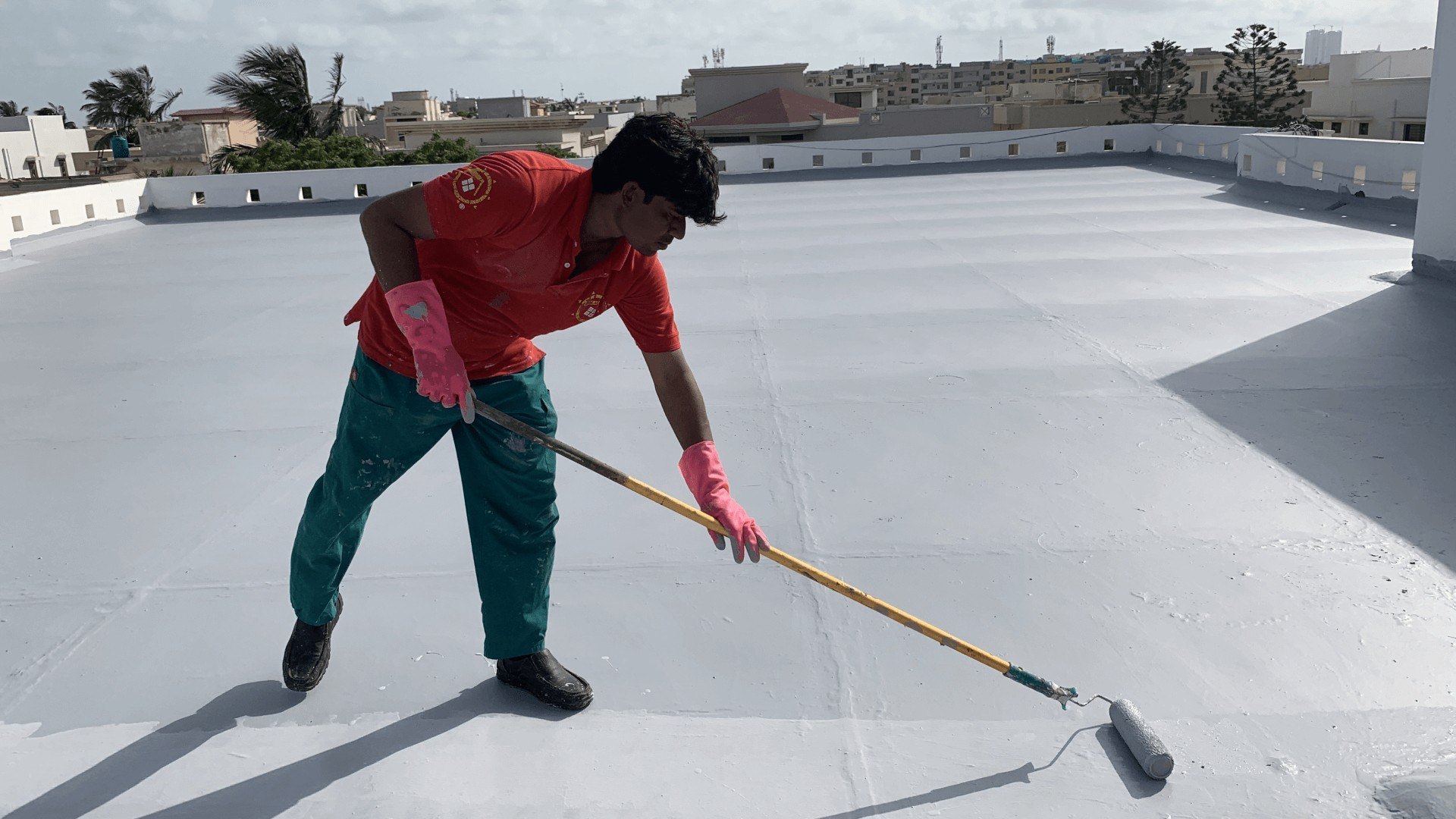
The terrace is the single biggest source of leakage in flat-roof homes. A proper waterproofing job includes surface cleaning, crack filling, a waterproof membrane or coating application, and correct slope towards drainage outlets — skipping the slope check is the most common mistake we see in redone terraces.
Bathrooms and wet areas
Waterproofing should go in before tiling, not after — applied to the floor and up the walls to at least 1.5–2 feet, especially around shower areas and drain points. Retrofitting a leaking bathroom after tiling almost always costs more than doing it right the first time.
Basements and ground floors
For homes near riverbanks or low-lying areas common across Guwahati, external wall waterproofing and proper site drainage during construction prevent rising dampness — a problem that's very difficult to fix once the building is complete.
Signs you need waterproofing now
Watch for paint bubbling or peeling on ceilings after rain, a musty smell in ground-floor rooms, or visible efflorescence (white salt deposits) on walls. Any of these mean water is already getting in, and the sooner it's addressed, the cheaper the fix.